
How to Find Reliable Tenants in Bangalore’s Rental Market
Finding good tenants in Bangalore’s competitive rental market can make or break your property investment experience. This guide is designed for property owners, landlords, and real estate investors who want to attract quality renters while protecting their assets.
Bangalore’s rental scene moves fast, with tech professionals, students, and young families constantly searching for homes. The key lies in knowing how to spot reliable tenants before problems arise.
We’ll walk you through creating property listings that attract the right crowd and show you proven screening methods that help you identify trustworthy renters. You’ll also learn how to conduct interviews that reveal red flags and discover the legal steps that keep both you and your tenants protected throughout the rental relationship.
Understanding Bangalore’s Rental Market Dynamics
Analyzing Neighborhood Demand and Rental Rates
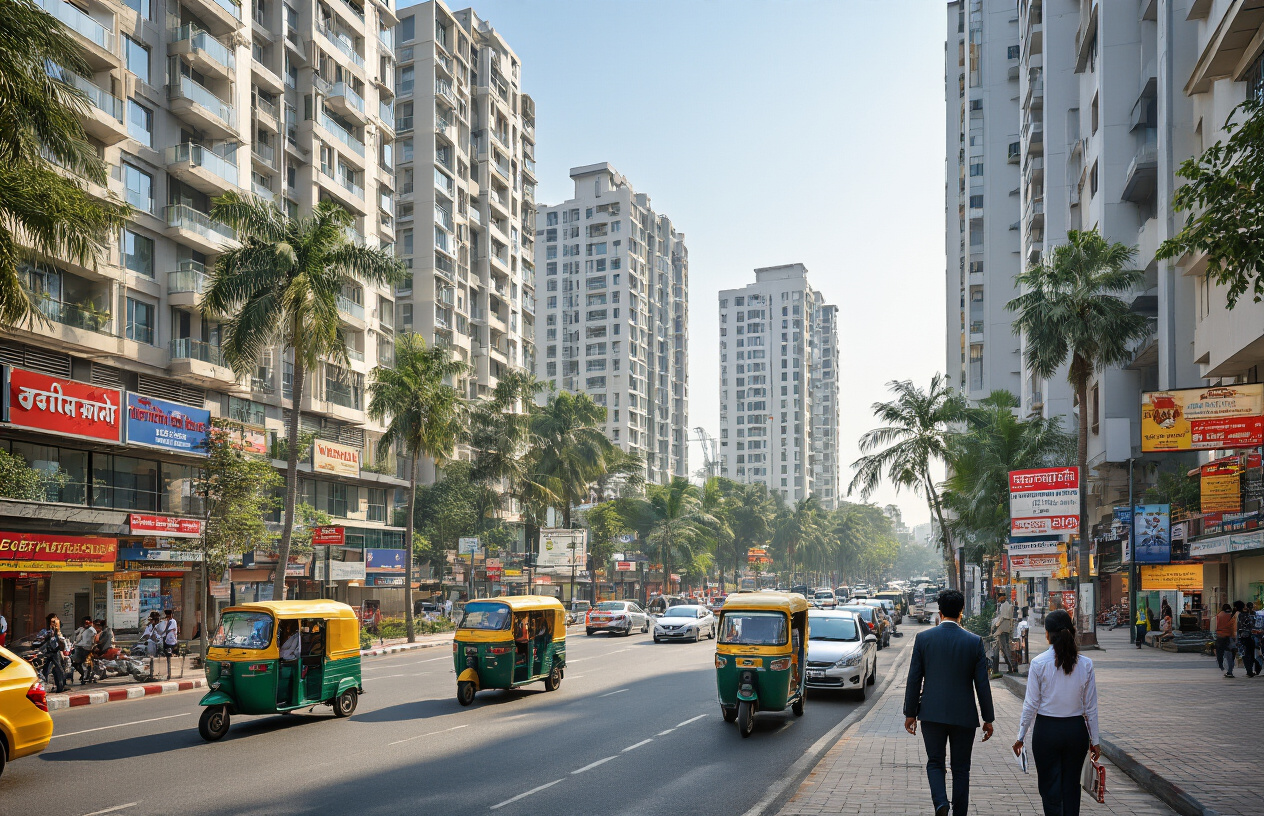
Different neighborhoods in Bangalore command vastly different rental rates based on their proximity to tech hubs, infrastructure, and lifestyle amenities. Areas like Whitefield, Electronic City, and Marathahalli see high demand from IT professionals working in nearby offices, with one-bedroom apartments ranging from ₹15,000 to ₹35,000 monthly. Premium localities such as Koramangala, Indiranagar, and HSR Layout attract higher rents due to their vibrant social scenes and excellent connectivity.
Compare rental rates across similar properties within a 2-3 kilometer radius to price your property competitively. Properties near metro stations typically command 15-20% higher rents than those requiring auto or bus commutes. Check online platforms like NoBroker, 99acres, and MagicBricks to gauge current market rates for similar configurations in your area.
Identifying Peak Rental Seasons and Market Trends
Bangalore’s rental market experiences distinct seasonal patterns that smart landlords can leverage. The peak rental season runs from June to September, coinciding with the monsoon months when most job relocations happen. Fresh graduates and professionals relocating after company transfers actively search for accommodation during this period.
January to March sees moderate activity as the financial year-end brings some corporate movement. April and May typically experience slower demand due to summer heat and pre-monsoon uncertainty. December remains relatively quiet with most people avoiding major moves during the holiday season.
Current trends show increasing demand for furnished apartments, especially among young professionals and bachelors who prefer move-in-ready accommodations. Co-living spaces are also gaining popularity, presenting opportunities for landlords to consider shared accommodation models.
Understanding Legal Requirements for Landlords
Bangalore landlords must navigate specific legal obligations to protect their investments. Rental agreements must be registered with the Sub-Registrar office if the monthly rent exceeds ₹1,000, though most landlords register agreements regardless of amount for legal security. The registration process requires an 11-month agreement format to avoid transfer duty complications.
Police verification of tenants is mandatory in most areas, requiring landlords to submit tenant details to local police stations within prescribed timeframes. Some residential associations also mandate additional verification processes.
Property tax receipts, building approvals, and occupancy certificates should be current and accessible. Water and electricity connections must be legally obtained, and any commercial activity restrictions should be clearly understood and communicated to potential tenants.
Recognizing Common Tenant Preferences in the City
Bangalore tenants prioritize different amenities based on their demographics and lifestyles. Young IT professionals typically seek high-speed internet connectivity, parking facilities, and proximity to food delivery zones. Families prefer ground-floor apartments, nearby schools, and access to parks or recreational areas.
Security features rank high across all tenant categories – gated communities, CCTV coverage, and 24-hour security personnel significantly increase property appeal. Power backup systems are almost non-negotiable given Bangalore’s frequent power cuts.
Water availability remains a critical concern, with properties having reliable bore wells or corporation water connections commanding premium rents. Tenants increasingly ask about waste management systems, especially segregation and disposal arrangements.
Location-wise preferences vary: bachelors often prefer areas with active nightlife and restaurants, while families seek quieter neighborhoods with good connectivity to schools and healthcare facilities. Understanding your target demographic helps position your property effectively in this competitive market.
Creating an Attractive Property Listing

Writing compelling property descriptions that highlight key features
Your property description serves as the first impression potential tenants will have of your rental. Start by identifying what makes your property unique – whether it’s the stunning view, modern appliances, or proximity to tech parks. Lead with your strongest selling point and build from there.
Focus on lifestyle benefits rather than just listing features. Instead of saying “2-bedroom apartment,” describe it as “spacious 2-bedroom home perfect for working professionals with dedicated workspace areas.” Paint a picture of how tenants will live in the space. Mention specific amenities that matter to Bangalore renters: reliable power backup, water supply, parking availability, and internet connectivity.
Use sensory language to help readers visualize the property. Describe the “sun-filled living room with large windows” or “modern kitchen with granite countertops and ample storage.” Keep descriptions concise but detailed enough to answer common questions upfront.
Address practical concerns that Bangalore tenants prioritize: commute convenience, nearby amenities, security features, and maintenance policies. Mention proximity to metro stations, IT corridors, hospitals, and shopping centers with specific distances when possible.
Taking professional quality photos and virtual tours
Quality visuals can make or break your listing in today’s competitive market. Natural lighting works best, so schedule photo shoots during daytime hours when rooms receive maximum sunlight. Clean and declutter every space before photographing – remove personal items, organize furniture, and ensure all lights are working.
Capture wide-angle shots that showcase room dimensions and flow between spaces. Include photos of all rooms, common areas, kitchen appliances, bathroom fixtures, parking spaces, and building amenities. Don’t forget exterior shots that show the building facade, nearby landmarks, and street view.
Virtual tours have become increasingly popular, especially among tech-savvy professionals in Bangalore. Consider creating 360-degree photos or simple video walkthroughs that allow remote viewing. This saves time for both you and potential tenants by pre-qualifying serious candidates.
Highlight unique features through close-up shots: modern fixtures, built-in storage, balcony views, or upgraded appliances. Avoid using filters or editing that misrepresents the property’s actual condition, as this leads to disappointed viewing appointments.
Setting competitive rental prices based on market research
Research comparable properties in your area by checking active listings on major rental platforms. Look for properties with similar square footage, amenities, and location advantages. Factor in your property’s unique selling points – premium amenities, better maintenance, or superior location can justify higher rents.
Consider Bangalore’s micro-markets carefully. Rent prices vary significantly between areas like Koramangala, Whitefield, Electronic City, and HSR Layout based on proximity to employment hubs, infrastructure development, and lifestyle amenities.
| Area | Average Rent (2BHK) | Key Factors |
|---|---|---|
| Koramangala | ₹35,000-45,000 | Central location, nightlife |
| Whitefield | ₹25,000-35,000 | IT hub, metro connectivity |
| Electronic City | ₹20,000-30,000 | IT companies, developing area |
| HSR Layout | ₹30,000-40,000 | Family-friendly, good connectivity |
Account for seasonal variations – rental demand peaks during July-September when many professionals relocate. Price slightly below market rate for quicker occupancy, as vacancy periods often cost more than modest rent reductions.
Choosing the right rental platforms and websites
Popular platforms in Bangalore include 99acres, Housing.com, MagicBricks, and NoBroker. Each platform attracts different tenant demographics, so consider posting on multiple sites to maximize visibility.
NoBroker appeals to tenants seeking direct landlord connections without brokerage fees. MagicBricks and 99acres attract both individual tenants and corporate clients. Housing.com offers detailed filtering options that help serious tenants find suitable properties.
Don’t overlook Facebook groups dedicated to Bangalore rentals, WhatsApp community groups, and local classified sections. Many working professionals share rental opportunities within their networks.
Respond promptly to inquiries across all platforms. Set up notification alerts so you can reply within hours rather than days. Quick responses signal professionalism and help you secure quality tenants before competitors do.
Consider premium listing options on major platforms for better visibility, but evaluate the cost-benefit based on your property’s price point and target audience.
Screening Potential Tenants Effectively

Conducting Thorough Background and Employment Verification
Start by requesting official employment letters from potential tenants that clearly state their position, salary, and duration of employment. Contact HR departments directly to confirm these details – many companies have dedicated verification lines for landlord inquiries. Ask for recent salary slips covering the last three months to verify income consistency.
Professional references from supervisors or colleagues can reveal work ethic and reliability patterns. Cross-check employment details with LinkedIn profiles and company websites to spot inconsistencies. For self-employed applicants, request GST certificates, bank statements, and client contracts to verify income sources.
Always verify the legitimacy of the company itself. Fake employment letters are surprisingly common in Bangalore’s competitive rental market. Look up company registration details and check if the contact numbers provided actually connect to the organization’s official channels.
Checking Credit History and Financial Stability
Access credit reports through authorized bureaus like CIBIL, Experian, or Equifax. A credit score above 750 indicates good financial discipline, while scores below 650 warrant careful consideration. Review the credit history for patterns of late payments, defaults, or excessive debt loads.
Bank statements from the past six months provide insights into spending habits, regular income deposits, and financial consistency. Look for steady income patterns rather than sporadic large deposits that might indicate unreliable income sources.
| Credit Score Range | Risk Level | Recommended Action |
|---|---|---|
| 750+ | Low Risk | Proceed with standard terms |
| 650-749 | Medium Risk | Request additional security deposit |
| Below 650 | High Risk | Consider co-signer requirement |
Calculate the tenant’s debt-to-income ratio by adding all monthly obligations and dividing by gross monthly income. Ratios above 40% signal potential payment difficulties.
Contacting Previous Landlords for References
Previous landlords offer invaluable insights into tenant behavior that employment checks can’t reveal. Ask specific questions about rent payment punctuality, property maintenance, noise complaints, and lease compliance. Did they give proper notice before moving out? Were there any damages beyond normal wear and tear?
Contact at least two previous landlords if possible. Sometimes the most recent landlord might provide overly positive references just to get rid of problematic tenants. Earlier landlords typically give more honest assessments.
Verify that you’re speaking with actual property owners by cross-checking property records. Fake references from friends posing as landlords are unfortunately common. Ask for property addresses and verify ownership through local municipal records.
Pay attention to how previous landlords describe the tenant’s communication style and responsiveness to maintenance requests. These soft skills often predict future landlord-tenant relationship quality.
Verifying Identity Documents and Legal Status
Examine original documents rather than photocopies whenever possible. Aadhaar cards, PAN cards, and voter IDs should have consistent information across all documents. Check for signs of tampering like mismatched fonts, altered numbers, or suspicious lamination.
For non-Indian nationals, verify visa status and work permit validity. Ensure their legal status allows them to rent property and that their documentation won’t expire soon after move-in. Tourist visas typically don’t permit long-term rental agreements.
Cross-reference addresses across documents. Frequent address changes without reasonable explanations might indicate instability. Use online verification tools provided by government agencies to confirm document authenticity when available.
Police verification, while not always mandatory, adds an extra security layer, especially for high-value properties. Many local police stations provide this service for a nominal fee.
Assessing Tenant Lifestyle Compatibility with Your Property
Evaluate whether the tenant’s lifestyle aligns with your property type and neighborhood. A young professional might thrive in a modern apartment complex but feel isolated in a quiet residential area. Families with children need different amenities than single professionals.
Discuss pets, smoking habits, and entertaining preferences upfront. Even if you allow pets, ensure the tenant understands pet policies and deposits. Smoking restrictions should be clearly defined – some properties allow balcony smoking while others maintain strict no-smoking policies.
Consider work schedules and travel patterns. Frequent travelers might be ideal for security-conscious landlords but problematic if regular property maintenance coordination is needed. Remote workers might appreciate quiet neighborhoods but require reliable internet infrastructure.
Ask about guest policies and overnight visitors. Some tenants regularly host family or friends, which could impact utilities and wear-and-tear. Understanding these patterns helps set appropriate expectations and lease terms from the beginning.
Conducting Productive Tenant Interviews

Preparing Essential Questions to Evaluate Reliability
Smart questions during tenant interviews reveal character traits that documents can’t capture. Start with employment stability by asking about their current job, how long they’ve been there, and their career trajectory. Someone who frequently changes jobs might struggle with rent consistency.
Dig into their rental history with specific questions about previous landlords. Ask why they’re moving from their current place and how they handled maintenance issues. Their answers show respect for property and problem-solving skills. Don’t just ask for references – inquire about how they left their previous rentals.
Financial responsibility questions should go beyond income verification. Ask about their budgeting approach, how they prioritize monthly expenses, and their emergency fund situation. Someone who views rent as their top financial priority is more likely to pay consistently.
Lifestyle compatibility questions prevent future conflicts. Ask about their daily routine, work-from-home schedule, guests policy, and noise preferences. Understanding their living habits helps you gauge if they’ll mesh well with neighbors and property rules.
Family and pet questions require careful navigation due to legal restrictions. Focus on practical aspects like how many people will occupy the space and any additional requirements they might have.
Observing Behavioral Cues During Property Visits
Body language and behavior during property visits reveal more than verbal responses. Watch how potential tenants interact with the space – do they treat it respectfully or carelessly handle fixtures and doors? Someone who’s rough with property during viewing might not be gentle as a tenant.
Pay attention to punctuality and communication. Tenants who arrive late without notice or constantly check their phones during the visit might lack the respect and responsibility you want in a tenant. Those who ask thoughtful questions about maintenance procedures and building policies show genuine interest in being good tenants.
Notice their reaction to property rules and restrictions. Tenants who immediately push back against reasonable policies or seem dismissive of building regulations often become problematic residents. Look for people who ask clarifying questions rather than challenging every guideline.
Observe how they interact with neighbors or building staff during the visit. Friendly, respectful behavior toward others indicates they’ll likely be considerate tenants. Rude or dismissive attitudes often extend to how they’ll treat the property and community.
Their preparation level speaks volumes. Tenants who bring necessary documents, have researched the area, and come with relevant questions demonstrate organization and genuine interest.
Discussing Lease Terms and Expectations Clearly
Transparent communication about lease terms prevents misunderstandings that lead to conflicts later. Start with the basics: rent amount, due date, late fees, and security deposit requirements. Make sure they understand exactly when rent is considered late and what consequences follow.
Cover maintenance responsibilities clearly. Explain what repairs they’re expected to handle versus what you’ll manage. Discuss response times for maintenance requests and emergency procedures. This conversation reveals their attitude toward property care and sets realistic expectations.
Address property usage rules directly. Discuss policies about guests, pets, smoking, alterations, and noise levels. If you have specific requirements about cleanliness standards or common area usage, explain them now rather than discovering conflicts later.
Talk about lease renewal possibilities and termination procedures. Explain your preferred notice period for moves and any conditions that might affect renewal decisions. This discussion helps serious tenants understand the long-term potential while weeding out those seeking short-term arrangements.
Be upfront about your communication style and availability. Let them know your preferred contact methods, response timeframes, and boundaries for non-emergency communication. Good tenants appreciate clear expectations and professional landlords who respect their time while maintaining appropriate availability.
Financial policies need crystal-clear explanation. Discuss acceptable payment methods, any convenience fees, and your policy on partial payments. Address what happens if they need to break the lease early and any associated costs.
Securing Your Investment with Legal Documentation

Drafting Comprehensive Rental Agreements
A solid rental agreement forms the backbone of any successful landlord-tenant relationship in Bangalore. Your contract should clearly outline rental amounts, payment due dates, security deposit details, and maintenance responsibilities. Include specific clauses about property usage restrictions, guest policies, and what happens if rent payments are late.
Don’t forget to address common Bangalore-specific issues like power cuts, water supply schedules, and parking arrangements. Specify whether utilities are included in the rent and who handles internet connectivity costs. Add clauses about property modifications, subletting restrictions, and notice periods for termination.
The agreement should also cover pest control responsibilities, especially important in Bangalore’s climate, and clearly state which appliances and furnishings are included. Having everything in writing prevents misunderstandings later and gives both parties clear expectations from day one.
Collecting Appropriate Security Deposits and Documentation
Security deposits in Bangalore typically range from 6-12 months of rent, depending on the area and property type. Collect this amount through proper banking channels and provide written receipts with clear terms about refund conditions.
Essential documentation includes:
- Identity proof: Aadhaar card, PAN card, passport copies
- Address verification: Utility bills, rental agreements from previous addresses
- Employment verification: Salary slips, employment letters, business registration documents
- Emergency contacts: Local references and family contact details
- Police verification: Required in many Bangalore localities
Keep digital and physical copies of all documents. Create a checklist to track what you’ve received and what’s still pending. This documentation becomes valuable if disputes arise or if you need to contact the tenant later.
Understanding Tenant Rights and Landlord Responsibilities
Both landlords and tenants have specific rights under Karnataka’s rental laws. Tenants have the right to peaceful enjoyment of the property, timely repairs for essential services, and proper notice before eviction proceedings. They can’t be charged excessive rent increases without proper legal justification.
As a landlord, you’re responsible for maintaining the property’s structural integrity, ensuring basic amenities like water and electricity connections work properly, and providing reasonable notice before entering the rented premises for inspections or repairs.
You can’t arbitrarily increase rent mid-lease or deny security deposit refunds without legitimate reasons like property damage beyond normal wear and tear. Understanding these boundaries helps you operate within legal limits while protecting your investment.
Setting Up Proper Rent Collection and Payment Systems
Modern rent collection goes beyond traditional cash payments. Set up multiple payment options including bank transfers, digital wallets, and online payment platforms. Many Bangalore tenants prefer UPI payments or automated bank transfers for convenience.
Create a clear payment schedule with specific due dates and late fee structures. Send payment reminders a few days before the due date through SMS or email. Consider offering small incentives for early payments or automatic transfers to encourage timely payments.
Maintain detailed payment records with proper receipts for every transaction. Use property management apps or simple spreadsheets to track payment history, late payments, and outstanding amounts. This documentation proves invaluable during tax filing season and helps you monitor cash flow patterns.
Set up a separate bank account for rental income to keep your personal and rental finances organized. This makes accounting easier and provides clear audit trails if needed for legal or tax purposes.

Finding reliable tenants in Bangalore’s competitive rental market doesn’t have to be overwhelming when you follow the right approach. Start by understanding the local market dynamics and creating listings that stand out from the crowd. Take time to screen applicants thoroughly, conduct meaningful interviews, and always secure proper legal documentation to protect your investment.
The key to success lies in being patient and systematic throughout the process. Don’t rush into agreements with the first interested party – good tenants are worth waiting for. By combining market knowledge with careful screening and solid paperwork, you’ll build relationships with tenants who respect your property and pay rent on time, making your rental journey much smoother in the long run.